
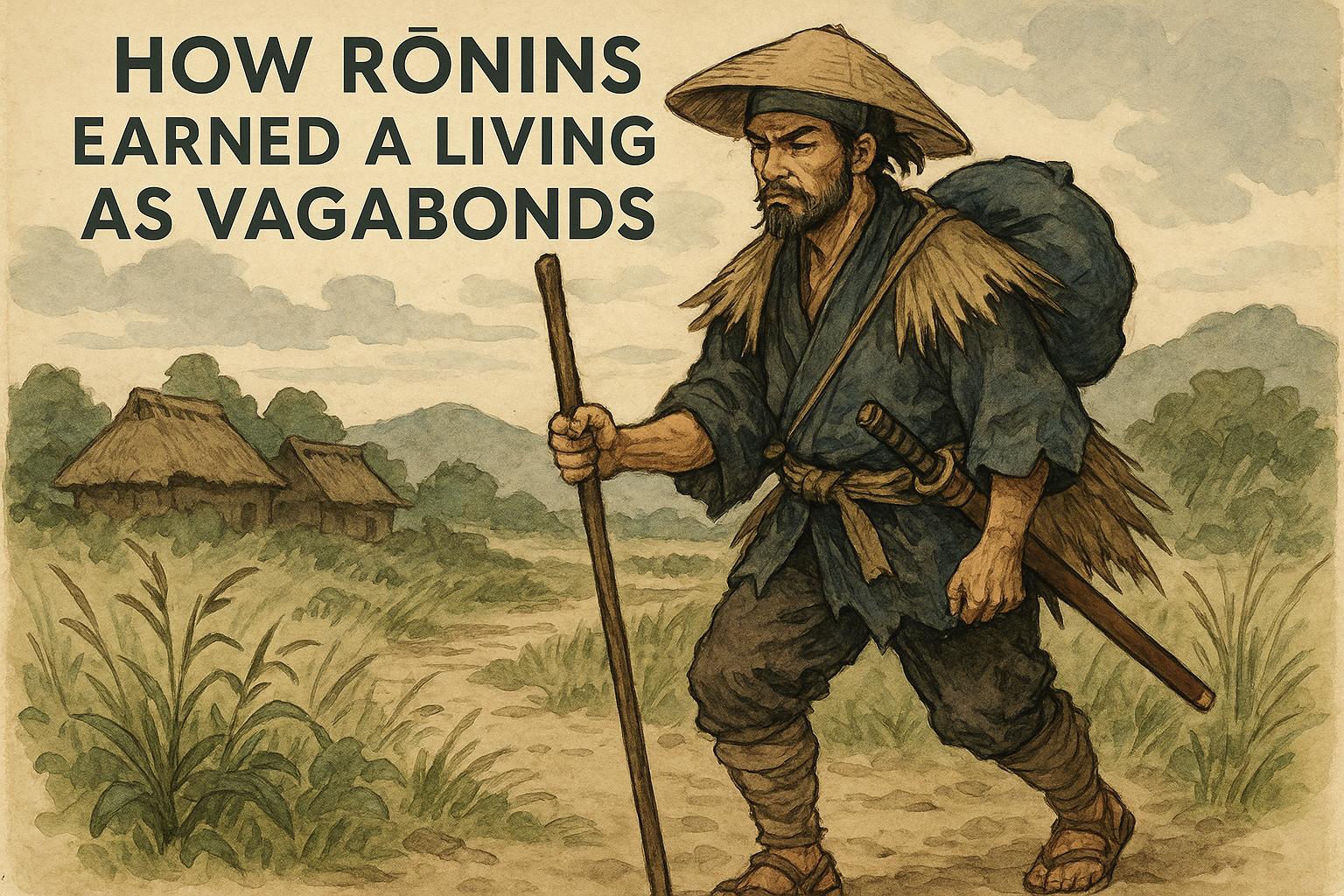
The Role of Ronins in Feudal Japan
In feudal Japan, a ronin was a samurai without a master, often due to the death or disgrace of their lord or as a result of losing favor. These warriors, known for their skills and discipline, had to find ways to adapt and survive outside the structured environment of a samurai household.
Becoming Ronin
At the heart of the ronin experience was the loss of their social status. Traditionally, a samurai’s identity was closely tied to his loyalty and service to a daimyo, or feudal lord. When a samurai became a ronin, they lost more than a job; they were stripped of their place in the rigid social hierarchy of feudal Japan. This transformation from a position of respect and relative power to one of uncertainty required a profound adjustment.
The feudal system in Japan was built on strict adherence to social roles and expectations, making the transition to a ronin all the more challenging. A wide variety of circumstances could lead to this status change: the sudden death of a daimyo, political upheaval, or misfortune on the battlefield. However, some samurai became ronin by choice, rebelling against their lord or the societal constraints imposed upon them.
Economic Strategies for Survival
Despite the challenges posed by their new status, many ronin managed to carve out a living through various means. The lack of a consistent source of income or benefactor meant that these samurai often needed to be resourceful and adaptive.
Mercenary Work: Some ronin offered their martial skills to the highest bidder. During periods of unrest, they might find temporary employment with other daimyo involved in conflicts. These temporary alliances, however, were often unreliable and could not consistently provide for them. The life of a mercenary was fraught with danger and uncertainty, as allegiances in feudal battles could shift rapidly. Even so, skilled ronin sometimes earned reputations that made them highly sought after during wars or localized conflicts.
Guard Services: Other ronin found work as guards and bodyguards for merchants and village leaders. Given their training and experience, they were well-suited to protect individuals or property. This could be relatively steady work depending on the region’s peace and prosperity. In certain cases, ronin attached themselves to a powerful merchant guild or local magistrate, allowing for a semblance of the stability they once enjoyed.
Farming: Some ronin turned to agriculture, either by renting land or through sharecropping. This choice allowed them to maintain some stability, though it often meant a significant lifestyle change from their warrior days. The transition from the martial life to agriculture required not just new skills but also a shift in mindset, as many found it challenging to adapt to such a dramatic change from their previous life of action and status.
Crafts and Trade: A few ronin with access to learning or craft skills took up trades such as sword making or operating small shops to sustain themselves. As feudal Japan moved towards a more economically integrated society, these ronin could sometimes find niches in emerging commerce. By leveraging their reputation and knowledge, they contributed to the economy in ways that utilized their diverse skill set.
Ronins in Popular Culture
While historical accounts detail their struggles, ronin have also been romanticized in Japanese culture, often depicted as noble warriors living by their own code. Their stories have been immortalized in literature and film, capturing both their challenges and their resilience. These narratives often emphasize the ronin‘s dedication to personal honor and integrity, even when removed from the support structures usually available to a samurai.
The idea of a wandering warrior determined to uphold his principles despite adversity has resonated with audiences both within Japan and worldwide. This archetype stands as a testament to the complexities of loyalty, identity, and survival beyond institutional boundaries. Many tales highlight the inner conflict between the desire to uphold traditional values and the need to adapt to rapidly changing circumstances.
Conclusion
While the life of a ronin was fraught with adversity, their ability to adapt ensured their presence in Japanese society long after the feudal era ended. They remain a symbol of both the transience of fortune and the enduring spirit of independence. Their stories, whether rooted in historical fact or embellished through cultural retellings, continue to capture the imagination and highlight universal themes of resilience and agency.
The legacy of the ronin in popular culture serves both as a reflection on the societal structures of feudal Japan and as an enduring narrative about the strength found in self-reliance and personal integrity. Although the specific era of the ronin has long passed, the values and dilemmas they embodied remain relevant, offering insights into how individual identity can survive and even thrive amidst external pressures. For further exploration into Japanese history, please visit Japan Travel.