
Understanding the Ronin in Tokugawa Japan
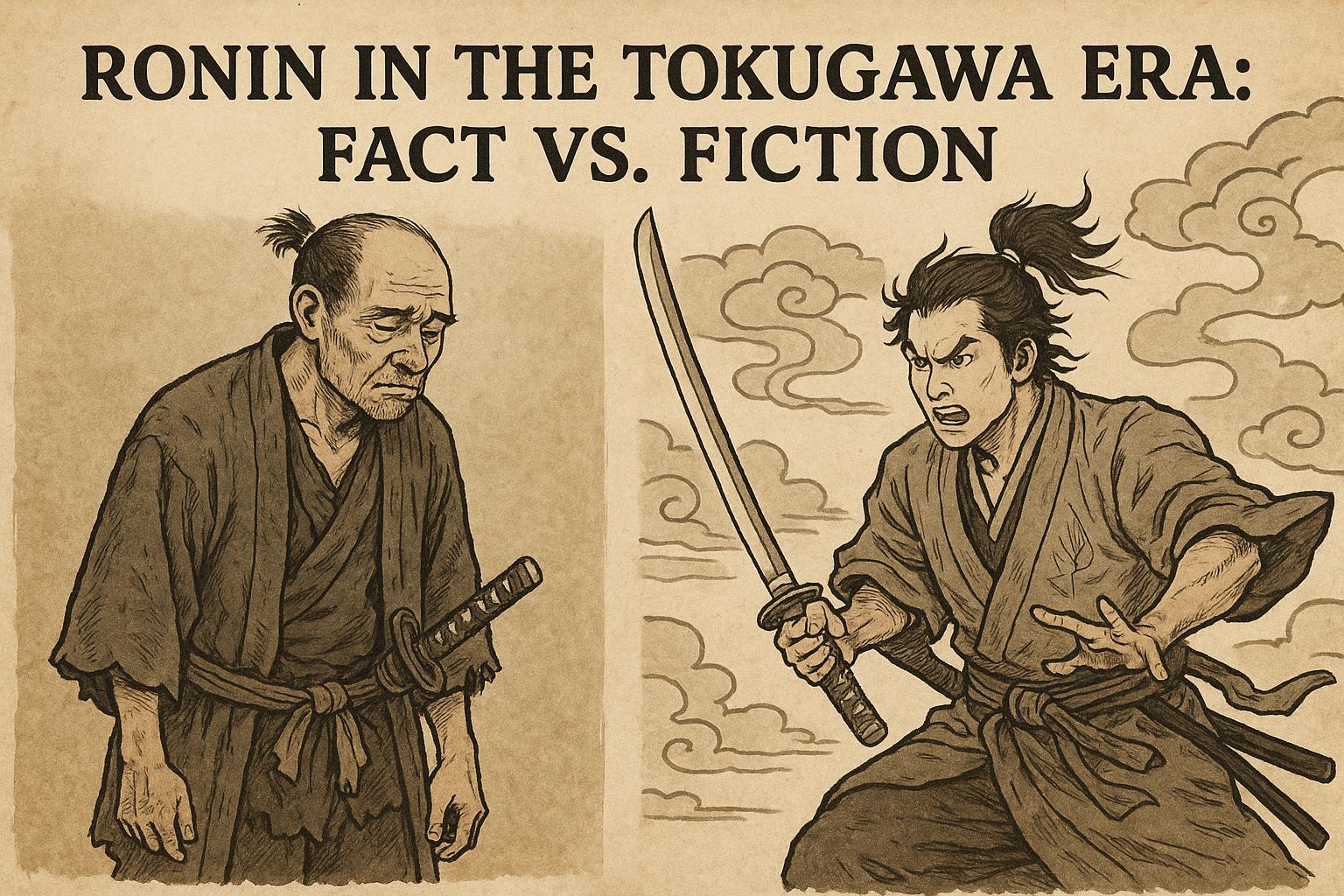
The Tokugawa era, spanning from 1603 to 1868, marked a transformative period in Japanese history. Among the various elements that characterized this time, one of the most intriguing was the emergence of the ronin — samurai warriors who lost their masters and, as a result, their place within the rigid societal structure of the era. Popular culture often represents ronin as heroic wandering swordsmen or romanticized rebels, creating a fascinating blend of historical fact and imaginative fiction. This article delves into the true historical context surrounding ronin during the Tokugawa period, aiming to clearly delineate myth from reality.
The Origin of Ronin
During the Tokugawa period, the term ronin specifically described former samurai who found themselves without a lord, generally due to the death of their master or the dissolution of their clan. The name ronin, translating to “wave men,” symbolically captured their newfound status as drifters without a fixed home, purpose, or allegiance. This phenomena was increasingly common as the Tokugawa shogunate solidified its power, enforcing strict control over the regional daimyo — feudal lords ruling at the behest and pleasure of the shogunate. The central authority’s restructuring often resulted in the reorganization or outright dissolution of samurai positions across various domains, leaving many warriors without their customary roles.
Consolidation and Control by the Tokugawa Shogunate
The Tokugawa shogunate’s efforts to centralize control involved meticulously balancing power dynamics among the daimyo to prevent any single lord from becoming too influential. As a result, smaller clans were sometimes absorbed into larger ones, and redundant samurai roles were eliminated. The enforcement of stringent attendance rules required samurai to split their time between their domains and the shogun’s court in Edo, placing further strain on feudal resources and resulting in additional disenfranchisement.
The Life of a Ronin
Becoming a ronin typically presented a set of challenges uncommon to those within the structured life of a samurai. Forced into a life of uncertainty and movement, they continuously sought employment, navigating a fine line between adhering to the strict codes of samurai honor and the pressing needs of survival. Some ronin managed to adapt, leveraging their martial skills to become mercenaries, personal guards, or taking on new professions as artists and educators. Conversely, many others faced destitution, as the architectural societal structure of the Tokugawa era offered limited support or opportunity for those lacking a master.
Adaptive Strategies of Ronin
Some ronin utilized their skills and knowledge in areas unrelated to military pursuits. For instance, many became teachers, instructing the younger generation of samurai in the arts of swordsmanship, strategy, and literary studies. Others honed creative talents, contributing to Japan’s cultural landscape as poets, painters, and performers, integrating samurai principles into broader cultural expressions.
Ronin in Popular Culture
Within literature and modern media, ronin have frequently been romanticized as solitary warriors and champions of justice. Iconic works such as “The Tale of the 47 Ronin,” and fictional narratives like “Yojimbo,” have helped to cement this archetype. These stories, while captivating and entertaining, often embellish the historical realities, presenting ronin with a heroism that did not uniformly exist in their actual lives. The perpetual allure of the ronin figure in cultural storytelling may be linked to its alignment with compelling themes such as honor, loyalty, and personal redemption.
Artistic Depictions and Perceptions
Artistic portrayals contributed to the enduring ronin mythology, offering a complex view that balances idealized loyalty and stoic independence with the realities of hardship and social marginalization. These depictions often highlight the tension in the ronin identity, caught between societal expectation and personal moral code.
The Historical Impact of Ronin
Despite their often difficult circumstances, ronin were not just relics of a bygone era but active participants in historical events. Some ronin took part in uprisings and were perceived as potential threats to the Tokugawa shogunate’s stability. The most notable instance, the revenge of the 47 Ronin, has ingrained itself into Japanese cultural consciousness, representing the complex interplay of honor, perseverance, and duty.
Significant Contributions and Involvement
The actions of ronin in key historical moments exemplify their impactful, albeit unofficial, role in shaping societal norms. Furthermore, their presence occasionally prompted governmental changes or reforms, as the shogunate sought to contain the disadvantages posed by these disenfranchised samurai.
Conclusion
The condition of ronin in Tokugawa Japan presents a more intricate narrative than the romanticized portrayals often seen in popular media. Although their existence was typically filled with instability and hardships, the lasting cultural relevance of their stories highlights deeper themes of loyalty, honor, and resistance amid a changing world. For those interested in gaining a more comprehensive scholarly perspective on the topic, an array of academic resources provide extensive research and insights, invaluable for understanding these remarkable figures’ lives and legacies.